
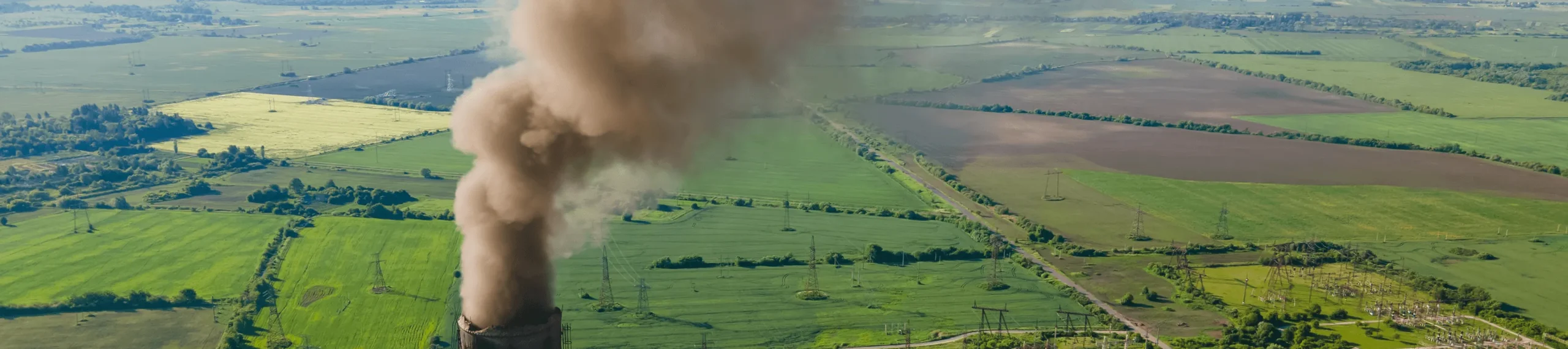
Follow the fuel.
Find the dependency.
Fund the way out.
Our food system is exposed to fossil fuel shocks. Synthetic fertilizers are a key part of the problem.
Disruption around the Strait of Hormuz has exposed a vulnerability at the heart of our food system: our dependence on synthetic fertilizers.
When fossil fuel markets are disrupted, fertilizer supplies and prices come under pressure, with knock-on effects for farmers, food prices, and food security.
The question is not how to secure more fertilizer, but how to reduce our dependence on fossil fuel-derived fertilizers in the first place.
For climate philanthropy, this is an opportunity to tackle an overlooked source of climate risk and support more resilient food systems.
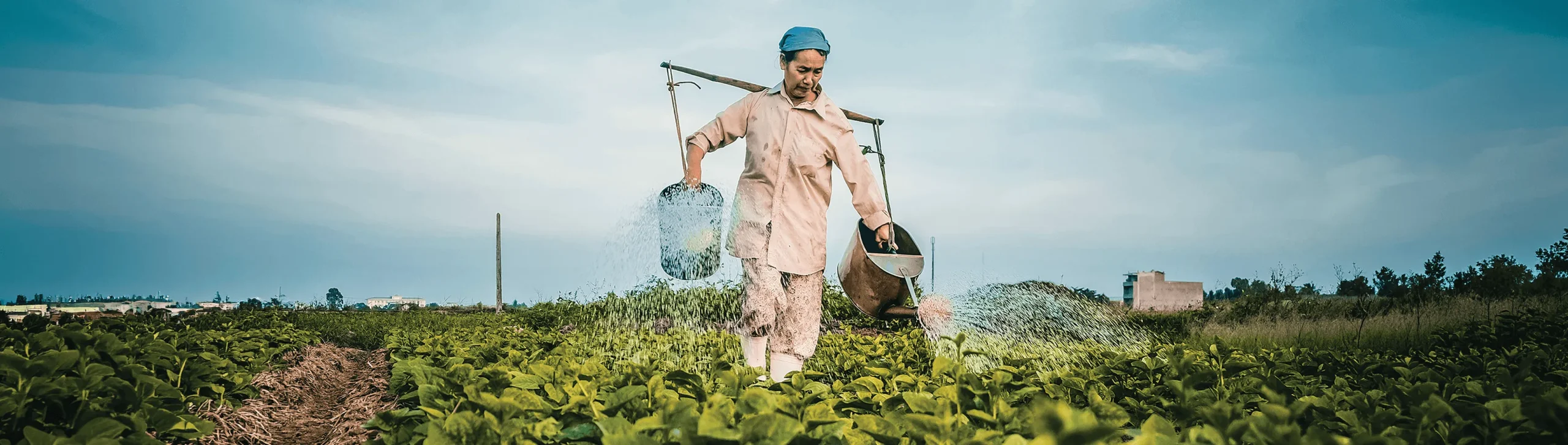
The current shock and the hidden dependency
The Strait of Hormuz is a critical chokepoint for global energy and fertilizer trade, with major consequences for food security worldwide. But the underlying vulnerability goes beyond any single shipping route.
Synthetic nitrogen fertilizers are one of the most crucial inputs in modern agriculture, with 99% of them derived from fossil fuels, particularly natural gas.
So when fossil fuel prices or supplies are disrupted, so are fertilizer markets. Farmers face immediate impacts from rising fertilizer costs, which over time translate to impacts on harvests, food prices, and food security.
FOSSIL FUEL SHOCK
Natural gas is a key feedstock and energy source for producing synthetic nitrogen fertilizers.
SYNTHETIC FERTILIZER DISRUPTION
Supply constraints and price spikes increase pressure on farmers.
FOOD SYSTEMS UNDER PRESSURE
Higher input costs can affect farmers’ livelihoods, food prices, and food security.
SYSTEMIC VULNERABILITY
Dependence on fossil fuel-derived fertilizers leaves food systems exposed to geopolitical and economic shocks.
Why should philanthropy care about fertilizers?
Philanthropy invests in reducing fossil fuel dependence across energy, transport, and industry. Food systems must be part of this transition too.
Food systems consume around 15% of global fossil fuels and 40% of petrochemicals, with synthetic fertilizers a major part of this dependence.
The climate cost is high. The synthetic nitrogen fertilizer supply chain generated an estimated 1.13 billion tonnes of CO₂-equivalent emissions in 2018, around 2.1% of global greenhouse gas emissions.
Reducing synthetic fertilizer use is therefore an opportunity that offers multiple benefits. It can help cut emissions, improve water, air, and soil quality, reduce public exposure, shield farmers from supply shocks, and strengthen food security.
But not every proposed alternative addresses the root problem: approaches such as fossil-fuel-based “blue” ammonia risk extending that dependence.
Philanthropy can help advance better alternatives by supporting evidence, innovation, and the conditions needed for lower-input, locally adapted approaches to thrive.

What could philanthropy actually fund?
There is no single solution to synthetic fertilizer dependence. What works depends on the farming system and local context. Philanthropy can help promising approaches develop and grow by investing in six connected areas:
Reduce the need for synthetic fertilizers
Support farming approaches that improve soil health, diversify crops, recycle nutrients, and harness natural nitrogen fixation.
Develop alternative nutrient systems
Support locally appropriate bio-inputs, organic fertilizers, and nutrient recycling that reduce reliance on fossil fuel-derived inputs.
Build the evidence
Fund research, trials, monitoring, and learning to understand what works, where, for whom, and at what scale.
Create the conditions for change
Support the policies, infrastructure, markets, farmer knowledge, and networks that enable lower-input farming systems to thrive. Prioritise decentralised production and community-led models.
Encourage the transition to healthy, lower-impact diets
Invest in policies, public procurement, and markets that make plant-rich diets more accessible in high meat-consuming regions, and support diverse, less fertilizer-intensive farming.
Build a common agenda for food and climate action
Connect climate, food, agriculture, and philanthropic communities to align priorities, coordinate funding, and communicate the case for change.
Explore the evidence
Explore the research, expert perspectives, and funding opportunities behind the case for reducing fossil fuel dependence in food systems.
Fuel to Fork podcast
Hear from food system experts about the links between fossil fuels, synthetic fertilizers, climate, and food security, and the alternatives worth exploring.
Investment case for funders
A concise briefing on why reducing synthetic fertilizer dependence belongs on the climate philanthropy agenda, and where funding can make a difference.
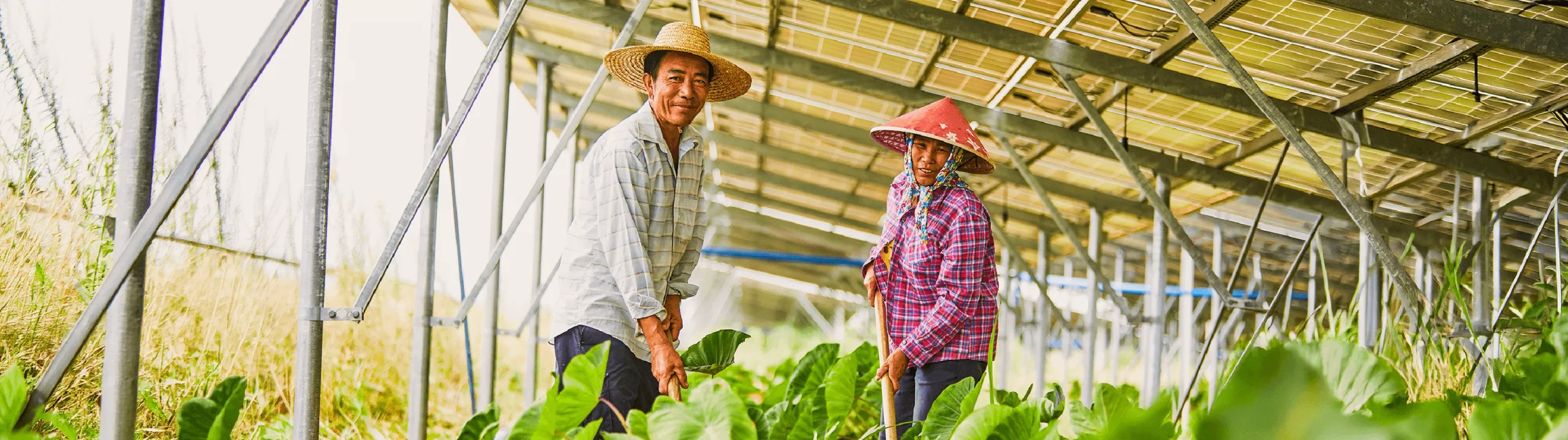
Help move the conversation forward
The current Hormuz disruption will eventually move out of the headlines. The underlying dependency will remain.
Reducing reliance on fossil fuel-derived fertilizers will take sustained investment, evidence, collaboration, and approaches suited to different contexts.
Climate philanthropy can help make that transition possible.
Exploring funding opportunities, looking for evidence, or connecting others to this issue? Get in touch with IPES-Food.


